
Crime Fiction: The Core Elements of Playing with Fire
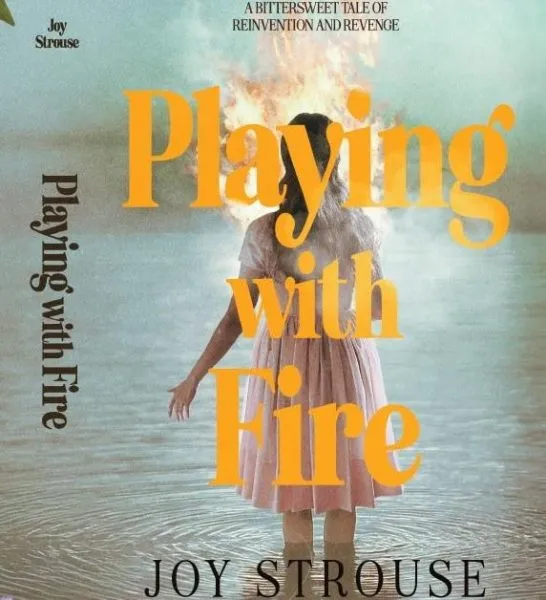
Crime fiction pulses at the heart of Joy Strouse’s Playing with Fire, a novel ablaze with moonshine, mystery, and the dark currents of family secrets that refuse to stay buried.
When the flames of a fire swallowed a Maryland family’s home, they did more than consume wood and brick—they sparked an inferno of secrets that refused to die.
From the first page, the novel plunges readers into a world where crime fiction’s darkest shadows stretch deep into family bonds and lost truths, each flicker of revelation kindling a fierce and relentless hunger for justice. This is a book that plays with more than fire—it explores the very essence of memory, loss, and the secrets we hide beneath the ashes.
Without further ado, let’s jump into the book’s most compelling crime fiction elements, from psychological suspense and investigative intrigue to the tangled web of legacies, all set against a backdrop that smolders with noir promise.
The Setting: A Fire-Singed Landscape of Secrets
Playing with Fire opens in the aftermath of a deadly fire in 1952—a literal and metaphorical spark that ignites the narrative’s suspense. The Maryland landscape, shadowed by ruin and rumor, is more than a setting; it’s a breathing character that shapes the novel’s mood and propels the mystery at its core.
- The desolation left by the fire is central to the crime fiction atmosphere, echoing classic tales where past sins fester beneath quiet surfaces.
- Every page is steeped in questions of what was lost and who survived, making the setting fertile ground for suspense and investigation.
This evocative world lays the groundwork for the crime fiction motifs that follow—paranoia, hidden motives, and the relentless search for truth.
Vanishing Acts and Punishing Pasts
The disappearance of Bonnie Madsen, presumed dead after the fire, sparks decades of uncertainty and suspicion. This vanishing acts as the linchpin for the novel’s crime fiction structure, propelling retired detective Joe Minelli into a dogged pursuit through the labyrinth of clues that lead from Maryland to Florida.
The Anatomy of a Disappearance
Crime fiction thrives on the motif of the missing—whether gems or people—because what is absent compels characters and readers alike to obsess over why and how. In Playing with Fire:
- The question “What happened to Bonnie?” is not just a plot device but an emotional engine, driving characters to revisit old wounds and confront buried betrayals.
- Each revelation, unearthed by Minelli’s investigation, is layered atop family secrets, echoing the hallmarks of great crime fiction where the final answer is always more complicated than it appears.
The vanishing thus becomes both a literal and symbolic vehicle for exploring loss and reinvention within a crime fiction framework.
The Detectives: Broken Hearts, Determined Minds
A tried-and-true pillar of crime fiction is the complicated investigator—often haunted by their own past as much as by the cases they chase. Joe Minelli, retired but restless, embodies this tradition with nuance and grit.
Psychological Depth
Crime fiction in the 21st century often leans heavily on psychology—the wounds of the detective paralleling those of the case itself. Minelli’s journey is as much about resolving his obsessions as it is about finding the truth for others.
- He is persistent despite obstacles, delving into archives and interviewing shattered witnesses.
- The familial motivations underpinning his quest add layers of emotional resonance, reminiscent of the golden era detectives who couldn’t quite separate work from their own wounds.
This emotional entanglement deepens the narrative’s suspense and echoes the evolution of the crime fiction genre from hard-boiled to deeply human.
Familial Crime and Generational Trauma
Perhaps the most riveting element of crime fiction in Playing with Fire is its exploration of family as both victim and perpetrator. Strouse crafts the Madsens as a clan defined by secrets—some smoldering quietly, others threatening to consume all in their path.
The Interplay of Victims and Villains
Crime fiction excels when it blurs the moral lines between criminal and casualty. Here:
- Generational scars reveal themselves in layer after layer, often exposing that the greatest crimes aren’t just those against the law, but against the heart.
- The story draws from true crime fiction’s preoccupation with cycles of violence and the difficulty of escape from one’s own legacy.
As the plot unravels, readers see that justice in such tales is rarely absolute. Closure arrives, if at all, at a cost—another key tenet of modern crime fiction.
The Timeless Lure of Moonshine and Mayhem
Strouse channels the gothic energy of classic crime fiction by weaving moonshine—both literal and metaphorical—throughout her story. The illicit and the intoxicating go hand in hand, echoing historical tales of outlaw America while linking past vices to present chaos.
Symbolism and Atmosphere
In crime fiction, every object and act can be invested with meaning:
- Moonshine is both a motif and a metaphor: for rebellion, for escape, for the things families conceal under polite facades.
- Mayhem arises not just from physical violence, but from social and psychological disruption, lending every scene a fraught, electric tension.
These motifs saturate the novel with the kind of brooding atmosphere that is the signature of classic and contemporary crime fiction alike.
Mystery and Psychological Suspense
Above all, Playing with Fire flourishes in its careful layering of mystery and psychological suspense—traits central to the crime fiction genre. Each twist invites suspicion, and each new voice or recollection points readers toward a deeper, darker reckoning.
Narrative Techniques
- Strouse employs shifting perspectives and unreliable memories, enticing readers to question each revelation as they piece together the truth behind the mayhem.
- The narrative interrogates the very nature of truth: is it found in evidence, in confession, or in collective memory? This question lies at the core of powerful crime fiction.
Reinvention, Revenge, and the Quest for Justice
No crime fiction tale is truly complete without characters seeking reinvention or revenge, both of which are guiding stars for Playing with Fire. Bonnie Madsen’s fight to transcend her past and various family members’ quests for vindication drive the story’s emotional stakes.
The Dance of Reinvention and Retribution
- As secrets are exposed, characters reinvent themselves—sometimes for survival, sometimes for vengeance.
- The theme of revenge underscores the narrative’s moral complexity, ensuring justice remains elusive, ambiguous, and intensely personal.
Why Playing with Fire Stands Out in Crime Fiction
Joy Strouse’s narrative stands apart for its literary ambition, investing every trope of crime fiction with psychological nuance and atmospheric detail.
- The writing is as evocative as it is precise, blending the slow-burning gothic tradition with brisk, contemporary storytelling.
- Each character’s arc is an intricate puzzle whose solution deepens, rather than resolves, the story’s tension—true to the genre’s finest examples.
Crime Fiction: A Fiery Evolution
Playing with Fire is more than a story of moonshine and mayhem. It’s a masterful homage to crime fiction’s storied past and a bold stride toward its literary future.
Readers will find themselves haunted by its mysteries, entangled in its familial webs, and exhilarated by its relentless chase for truth amid the ashes.
For fans of crime fiction yearning for a tale as shadowy as it is illuminating, Strouse’s novel promises to satisfy.