
Overcome Writer's Block - Tips to Get Your Words Flowing
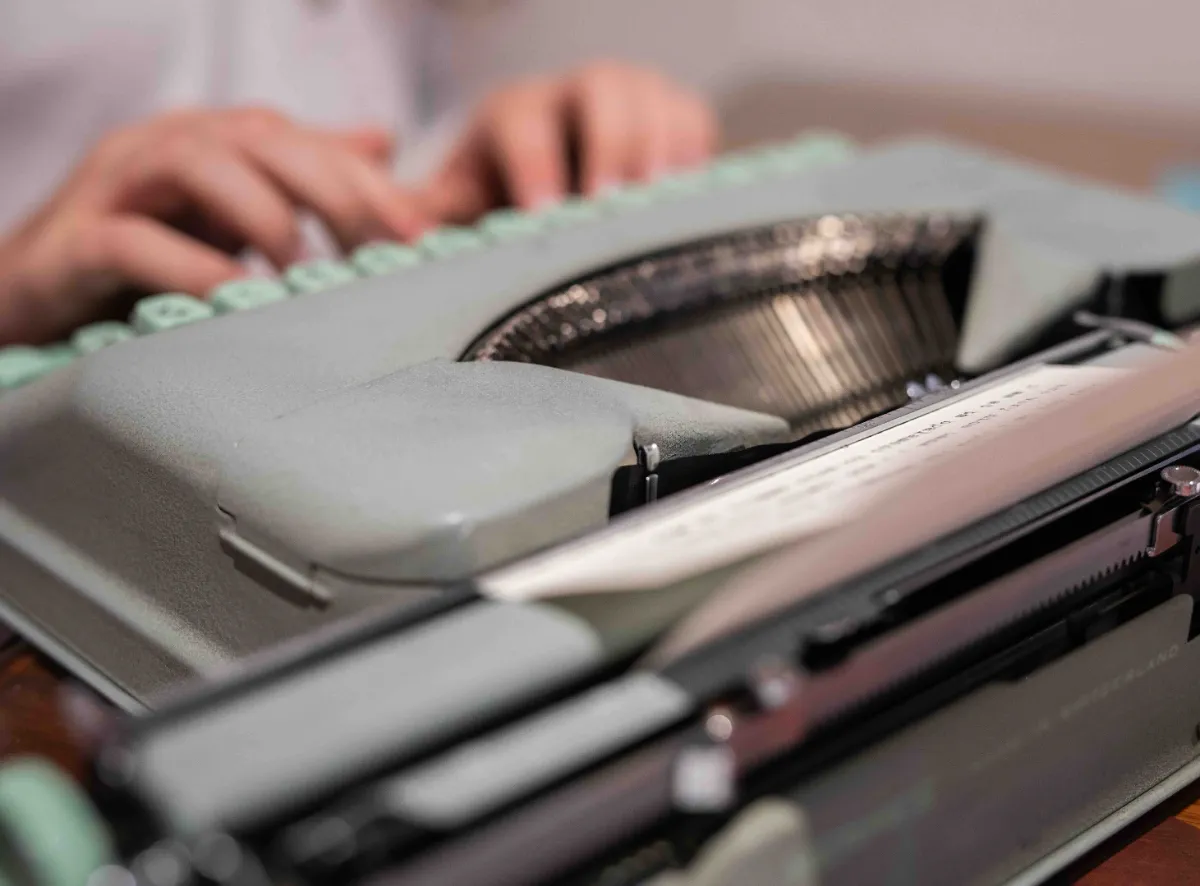
Writer’s block–we’ve all been there—a blank page staring back at us, the cursor blinking, mocking our lack of progress.
This affliction doesn’t discriminate; it strikes authors, bloggers, students, and journalists. The good news? Writer’s block doesn’t have to stick around. With the right strategies, you can break through that mental wall and get your creativity back on track.
What Exactly Is Writer’s Block?
Writer’s block is more than just a bad day for the pen or keyboard. It’s a creative slowdown that makes it difficult—sometimes impossible—to turn thoughts into words. Sometimes, it feels like you have too many ideas and can’t organize them. Other times, you might feel like your creativity has dried up. While it can be frustrating, it’s important to remember it’s a temporary obstacle.
Why Do We Get Writer’s Block?
Before we dive into solutions, let’s talk about causes. Understanding why writer’s block shows up can help you banish it faster. Some common culprits include:
- Perfectionism: Waiting for the “perfect” words can stall any project.
- Fear of Failure: Worrying about how others will judge your work can be paralyzing.
- Stress or Burnout: Personal or work stresses sap creative energy.
- Lack of Inspiration: Not feeling excited about your topic halts momentum.
Sound familiar? You’re not alone. But there are ways to get unstuck!
Proven Ways to Overcome Writer’s Block
Let’s get practical. Here are tried-and-true tips to conquer writer’s block. Try a few to see what works for you.
Set Realistic Goals
- Big projects can feel overwhelming. Break your work into smaller, manageable goals. Chunk your tasks. Instead of writing an entire article, aim for 100 words, or even just a paragraph. Create an outline of the big picture. Small wins build momentum and help you regain confidence.
Try Freewriting
- Set a timer for five to ten minutes and start typing whatever comes to mind. Don’t edit. Don’t censor yourself. Let the words flow, even if they don’t make sense. Often, freewriting can spark new ideas and get your creative energy moving again.
Change Your Environment
- If you’re always working at the same desk, try moving to a new spot—a café, a park, or another room. Take a walk and record your thoughts. A change of scenery can boost your creativity and shift your mindset. Play music in the background—Mozart’s Piano Concertos, Vivaldi’s Four Seasons, nature sounds or soft instrumental jazz—anything without lyrics helps many people focus.
Eliminate Distractions
- Silence notifications, close unused tabs, and put your phone out of reach. Shut doors and windows. Even the smallest of interruptions can derail your flow. Creating a distraction-free environment helps you focus your mind on writing. OR embrace them! A loud, joyful place may lift your spirits and unchain your brain.
Give Yourself Permission to Write Badly
- Perfectionism is one of the biggest creativity killers. Remind yourself that your first draft doesn’t have to be perfect—it just has to exist! Editing can come later. Right now, let your ideas pour onto the page, messy, unfiltered, emotional.
Read for Inspiration
- Reading can stimulate your creativity and spark new ideas. Whether it’s a favorite novel, poetry, or insightful articles, immersing yourself in good writing can help you rediscover your love for words and spark words of your own.
Create a Writing Routine
- Establishing a regular writing schedule—whether it’s daily or a few times a week—trains your brain to get into “writing mode.” Even if you only write a little, consistency helps make creativity a habit, not a fluke.
Talk It Out
- Explain your ideas out loud to a friend or record yourself. Sometimes, speaking your thoughts helps clarify what you’re trying to say. You’ll often find new angles or a fresh way to approach your writer’s block.
Take Care
- Don’t neglect your physical or mental well-being. Regular exercise, balanced meals, and quality sleep can all restore your creative powers. Anxiety and exhaustion drain your creative reserves, so be good to yourself.
Celebrate Progress
- Recognize your achievements, no matter how small. Finished a paragraph? That’s progress! Treat yourself for milestones reached—this positive reinforcement helps keep you motivated.
When Writer’s Block Lingers
Sometimes, no matter what you try, the words just won’t come. That’s okay. If you’re feeling mentally or emotionally drained, take time off. Step away and permit yourself to rest. Often, your creativity will return when you least expect it—when driving, in the shower, at a social event—
And most often, waking you at 3:00 AM!
Final Thoughts
Remember, writer’s block doesn’t mean you’re a poor writer. In fact, it’s often a sign you care deeply about your work. The key is finding the tools and routines that work for you, being patient with yourself and knowing that feeling stuck is normal—and conquerable!
If you ever feel blocked, come back to these tips, try something new, and know your next creative breakthrough could be just around the corner. (or at 3:00 AM!)