
The Role of Music in Fiction: Enhancing Storytelling Through Sound
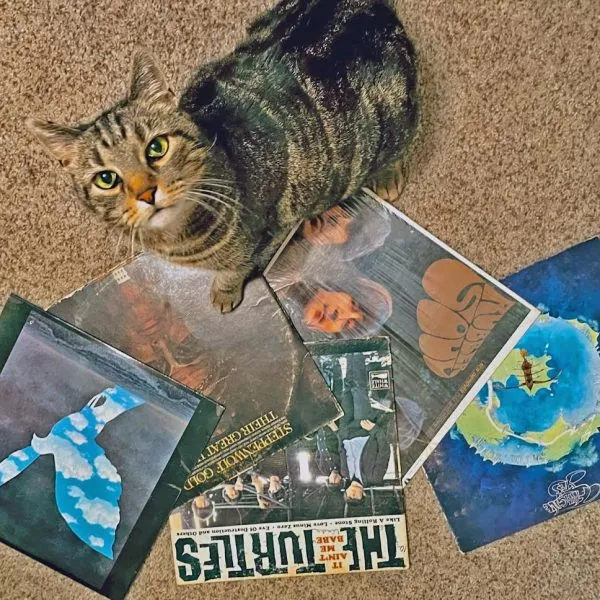
Think back to a moment in your life from long ago—whether shining with wonder or shadowed with sorrow. Now let your mind conjure its sound. Perhaps music was drifting from a radio, a band playing, or a choir lifting voices skyward.
Now think of the songs your love the most. When they find your ears, do they return you instantly to another time? Music can draw us back to youth, to love’s truest moments, to a perfect summer’s day or heartbreaking goodbye.
Music for many of us is a tether to the past. This is why using a song title or lyric helps the reader anchor themselves into the time period of the story.
Enhancing the Scene
When writing fiction, we are told to use the five senses to enhance the feel of a place or scene, and what better way to provide a soundtrack to a story than with music? For this to be effective, songs should not be thrown in willy-nilly. Just because your favorite song is In-A-Gadda-Da-Vida, there are parameters, man. It needs to jibe with the storyline and add depth to the narrative.
(Funny story though—that song is by Iron Butterfly in 1968. It was created by the lead singer’s attempt to sing “In the garden of Eden” while intoxicated and is now considered a defining moment in psychedelic and heavy metal music.) So, if your scene has to do with 1960s drug culture, you’re golden. Dig it!
The Role of Music in Historic Fiction
Anchoring the Era
Now think of the songs you love the most. When they find your ears, do they return you instantly to another time? Music can draw us back to youth, to love’s truest moments, to a perfect summer’s day or heartbreaking goodbye.
Music for many of us is a tether to the past. This is why using a song title or lyric helps the reader anchor themselves into the time period of the story.
Another way the use of music helps connect the era is its ties to historic events. In Beyond the Broken Window, the bartender pours a drink called a Yellow Ribbon, named for the yellow ribbons across the country during the hostage crisis of 1979–1981. The yellow ribbon symbol originated because of the song by Tony Orlando and Dawn.
The first chapters of Playing with Fire are reminiscences of the 1940s. WWII and train travel are both catalysts for events in the protagonist’s life and for most of America at that time. Two of the songs mentioned, Boogie Woogie Bugle Boy and Chattanooga Choo Choo, accentuate the vibe of the decade. (Although a fictitious route, this Choo Choo does mention Baltimore in its lyrics.)
Later, in 1954, Eliza and Kate go to the first Jazz Festival in Newport, RI. The performers’ music is described:
“Dizzy Gillespie’s trumpet blasted out bold syncopated notes that soared above us. Milt Jackson’s vibraphone trembles and wafted. Oscar Peterson’s keys danced in dazzling climbs and complexities. Then Ella sang and the crowd hushed, mesmerized.”
The 1965 Folk Festival is also mentioned—the one when Bob Dylan went electric and was booed for going rogue and plugging in. Eliza writes in her journal, “Guess there’s reinventing going on all over!”
The Role of Music in Fiction as Foreshadowing
Music is a great way to foreshadow future events. Chattanooga Choo Choo is a foreshadowing of things to come. Our protagonist takes several train rides, one of which is south from Baltimore’s Penn Station.
When she confesses her past, White Rabbit is on the stereo—foreshadowing her descent down a rabbit hole—then Break on Through by the Doors plays, as if the music itself is urging her to dig deeper.
In Beyond the Broken Window, Don’t You Want Me plays as the girls drive to Christopher’s Night Club. No spoiler alert here, just foreshadowing…
The Role of Music to Set the Mood
Romance, Yearning, Loss—The Emotional Gamut
Many songs are used to give background to the mood of these characters. In Beyond the Broken Window, the gang is dancing to Rock This Town and Super Freak—both fun and uplifting. Then the band plays Jessie’s Girl and suddenly Randy is thirsty.
In Playing with Fire, romantic (and sometimes steamy!) scenes are accompanied with songs apropos to the lovers’ emotions:
When two lovers share breakfast, the radio is playing.
“Rock star Eddie Money climbs the chart again from number six, with his first hit,” says Casey Kassem. “Here’s Take Me Home Tonight at number four.”
Some Enchanted Evening plays on the night young lovers meet.
In Beyond the Broken Window, Rick’s desires are summed up with the famous line from Wichita Lineman.
A frame of mind can be conjured with music in the air:
- Young Bonnie hearing Far Away Places wafting out the door of the Marble Hill Inn. The reader may not know the song, but the feeling is there just from its title and her reactions.
- Julie in Beyond the Broken Window hears Craig singing Try a Little Tenderness and the song cracks open a well of misery, heartache, and shame that she has been pushing away for so long.
- Joe sings and dances along with Walking on Sunshine, catches his reflection in the window, and cracks up laughing. “And it makes me feel good!”
Music’s Impact on Fiction
In summary, the role of music in fiction is to anchor, solidify, enlighten, and enhance. If used wisely, the written words will spring from the page like a brass band or trickle into the reader’s consciousness soft as a lullaby.
And sometimes it just makes you feel good!
Music in the Pages of Playing With Fire
The story world is threaded with music from every era, beginning with classics like Just Because, Chattanooga Choo Choo by Glenn Miller and His Orchestra, Girl On Fire by Alicia Keys, Boogie Woogie Bugle Boy by The Andrews Sisters, Out of Limits by The Markettes, Swinging on a Star by Bing Crosby, A Shanty in Old Shantytown by The Ink Spots, Tutti Frutti by Little Richard, Far Away Places by Margaret Whiting, Sixty Minute Man by Billy Ward, Honey Love by Clyde McPhatter and The Drifters, At My Front Door by The El Dorados, Shake, Rattle and Roll by Bill Haley & His Comets, C’est Si Bon by Eartha Kitt, Mess Around by Ray Charles, and Summertime by Sam Cooke. The 1960s and 1970s bring in Tell Her No by The Zombies, White Rabbit by Jefferson Airplane, Like a Rolling Stone and It Ain’t Me, Babe by Bob Dylan, Time Is On My Side by The Rolling Stones, Break On Through by The Doors, Into the Mystic by Van Morrison, Somewhere My Love by Frank Sinatra (Prime – Jack Jones), Bring It On Home by Sam Cooke, Love Reign O’er Me by The Doors, Morning Has Broken by Cat Stevens, This Old Heart of Mine by both The Isley Brothers and The Supremes, Goodnight, Irene by Willie Nelson and Tom Petty, and the 1980s add Walking on Sunshine by Katrina and the Waves, Invisible Touch by Genesis, Take Me Home Tonight by Eddie Money, Saving All My Love for You by Whitney Houston, and I Still Haven’t Found What I’m Looking For by U2. The Jazz Festival selections include Someone to Watch Over Me by Ella Fitzgerald, Con Alma by Dizzy Gillespie, What’s New by Milt Jackson, and Georgia on My Mind by The Oscar Peterson Trio. Broadway moments feature Blow, Gabriel, Blow from Anything Goes, Rain in Spain, Just You Wait, and Get Me to the Church on Time from My Fair Lady, along with Some Enchanted Evening from South Pacific (1995 version – The Temptations).
The music woven through Beyond the Broken Window includes Wichita Lineman by Glen Campbell, Behind Blue Eyes by The Who, All the Girls Love Alice by Elton John, Alcohol by The Kinks, Try a Little Tenderness by Otis Redding, I’m Gonna Make You Love Me by Diana Ross and The Supremes, Jesse’s Girl by Rick Springfield, Super Freak by Rick James, Rock the Town by The Stray Cats, Don’t You Want Me by The Human League, Runaround Sue by Dion, Long-Haired Country Boy by Charlie Daniels Band, Straight from the Heart by Little Feat, Colour My World by Chicago, Nights in White Satin by Moody Blues, Only the Good Die Young by Billy Joel, Diamonds and Rust by Joan Baez, Send in the Clowns by Judy Collins, Bad, Bad Leroy Brown by Jim Croce, I’d Like to Teach the World to Sing by The New Seekers, My Man by Barbra Streisand, Wild Horses by The Rolling Stones, Blue Eyes Crying in the Rain by Willie Nelson, Young Blood by Bad Company, Easy to Slip by Little Feat, Maria by Johnny Mathis, Free Bird by Lynyrd Skynyrd, You Really Got Me by The Kinks, and Killing Me Softly by Roberta Flack.